Blog

23Apr2026

Cultuurvuur Biennale 2026

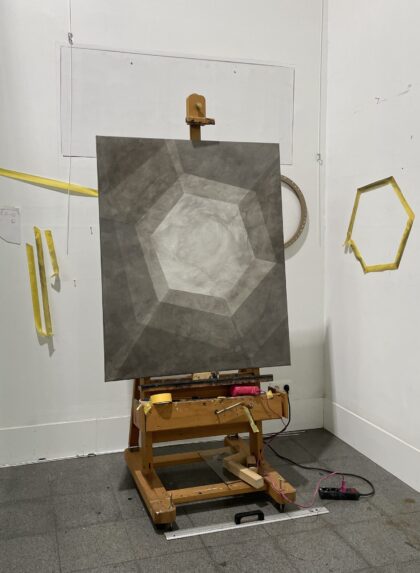
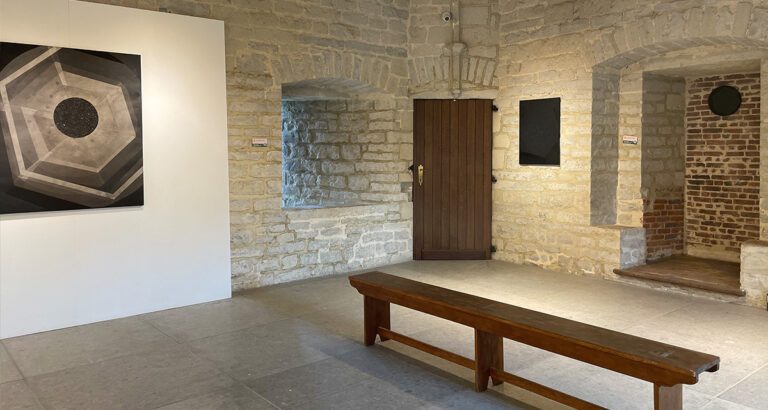
Werkfoto : de eerste lagen

The ‘calm before the storm’ is now officially over; here is the first invitation of the year:

Welcome to the Cultuurvuur 2026 Biennale at the Meise Botanical Garden.
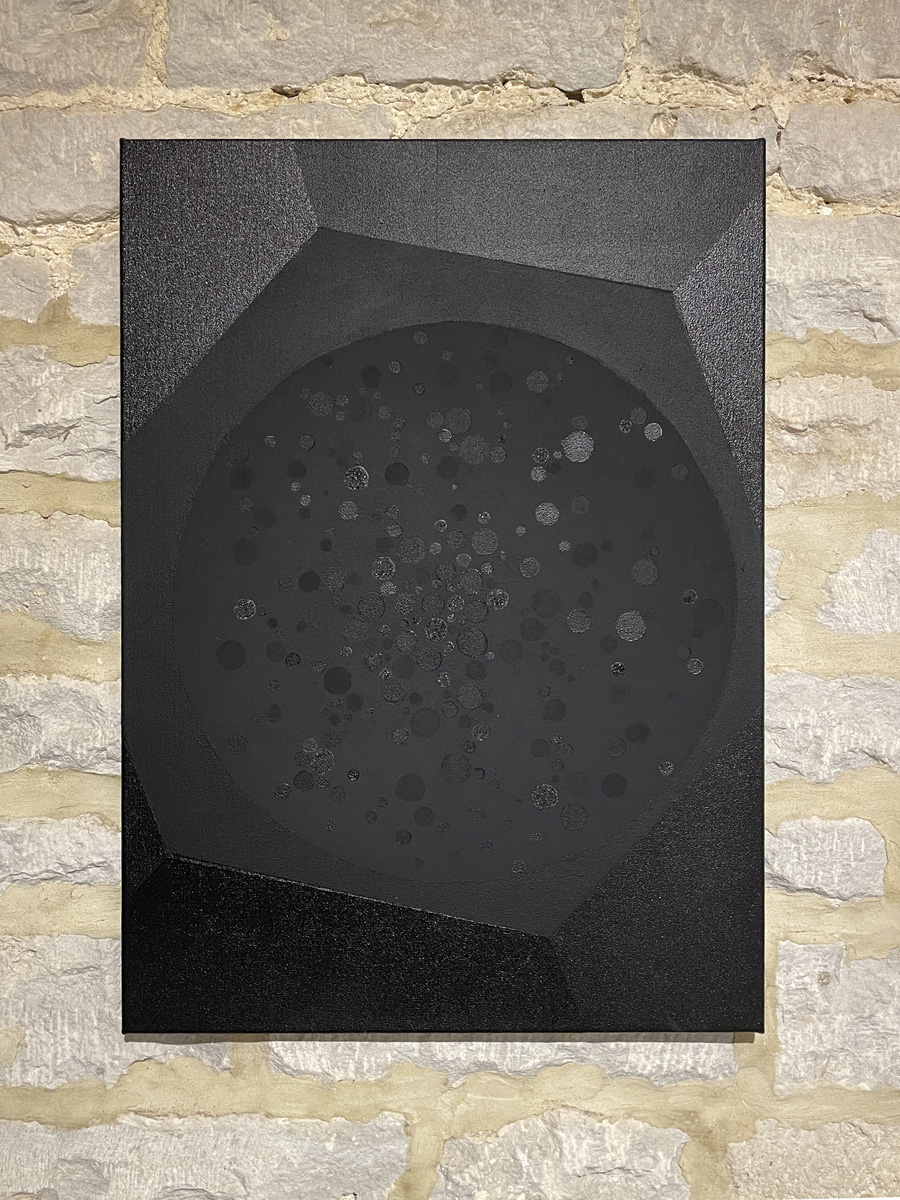
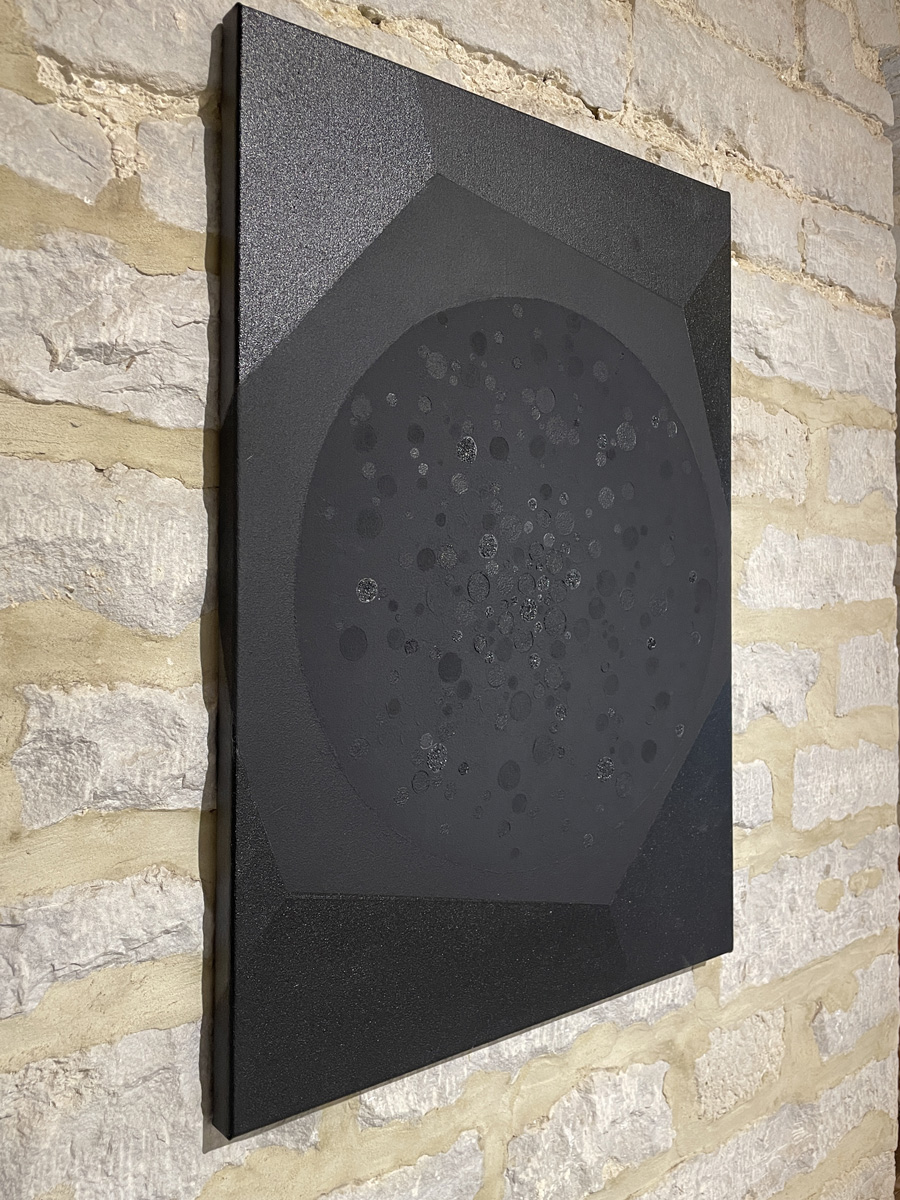
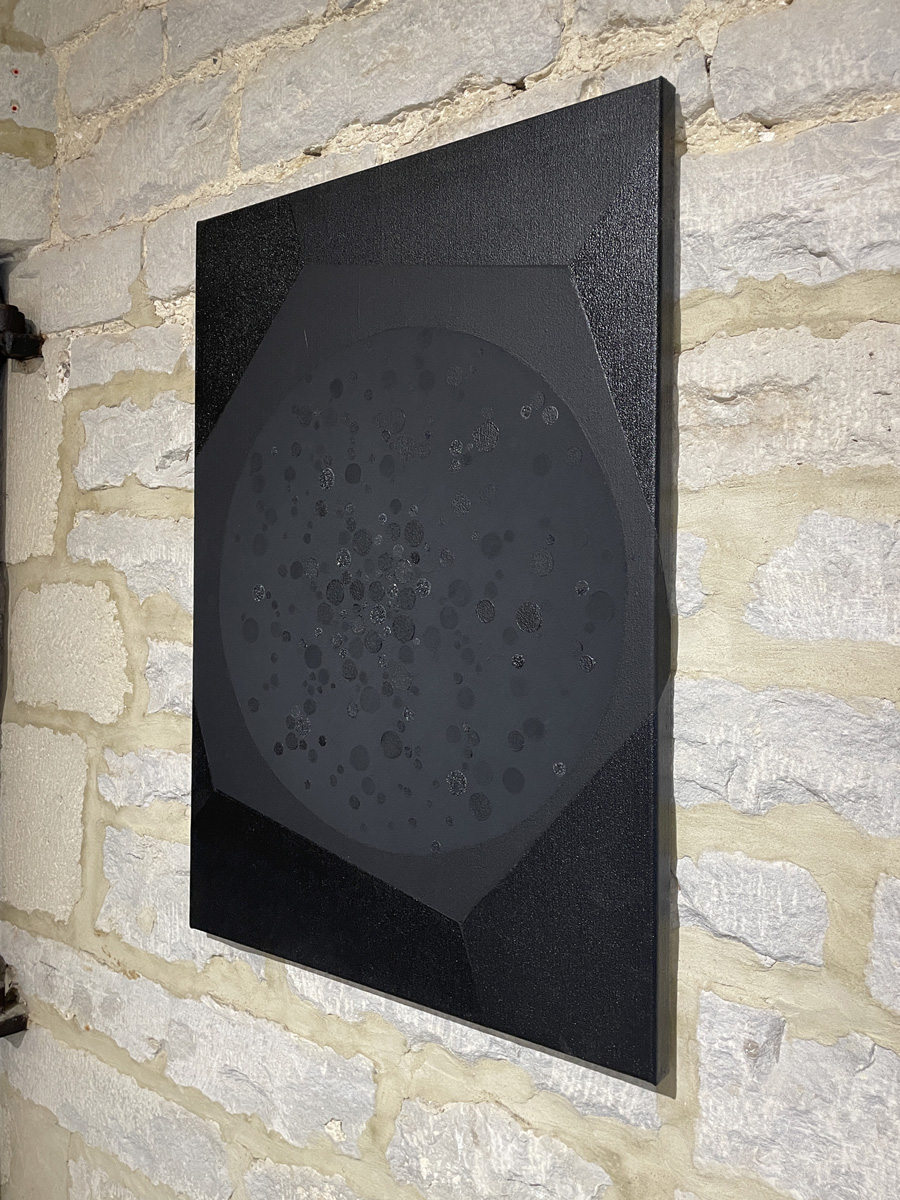
As the winner of the previous edition, I am participating once again by invitation. Following the scale of my previous installation, this time I deliberately opted for a more concentrated arrangement, originally starting from a single painting, which eventually grew into a limited ensemble of works.

For this edition of the Cultuurvuur Biennale, 38 artists worked around a central theme:

Chemistry of Light: Photosynthesis

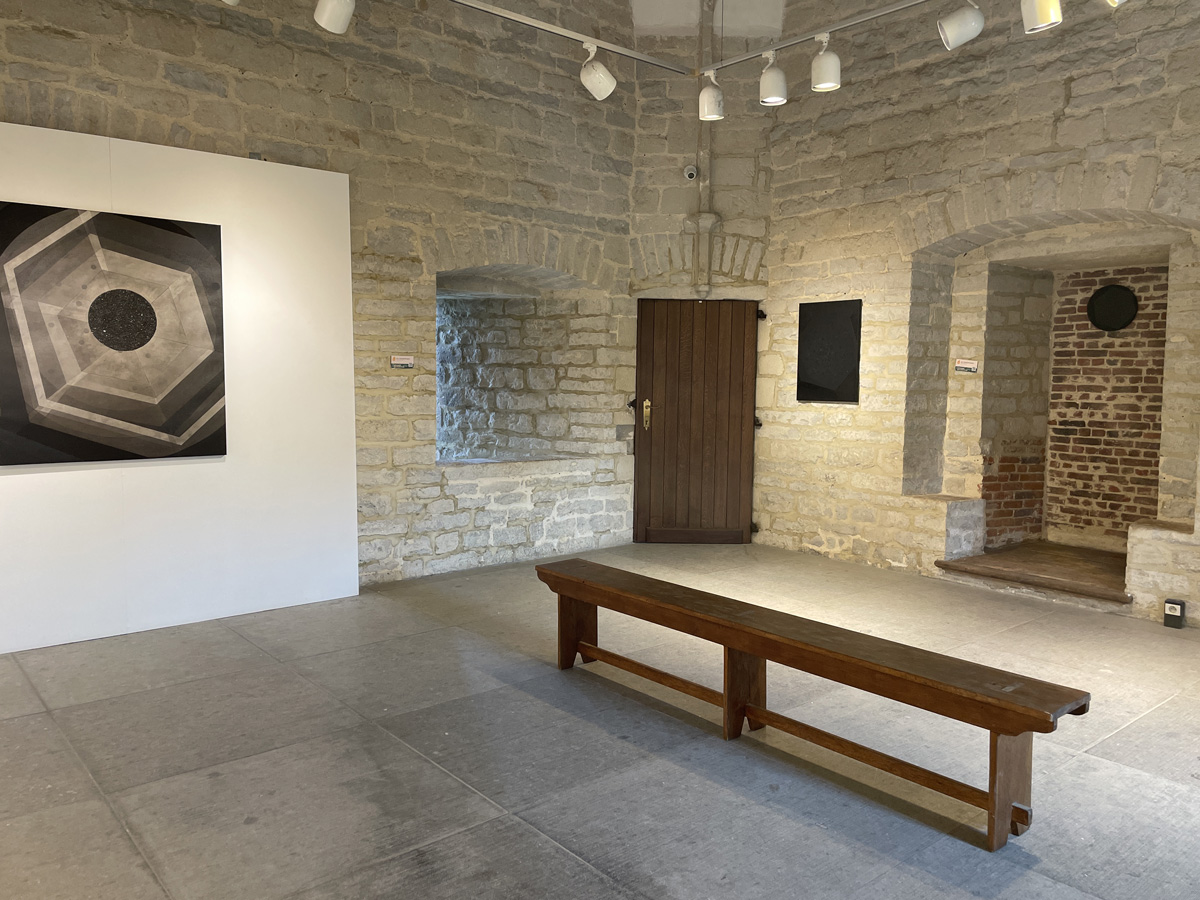
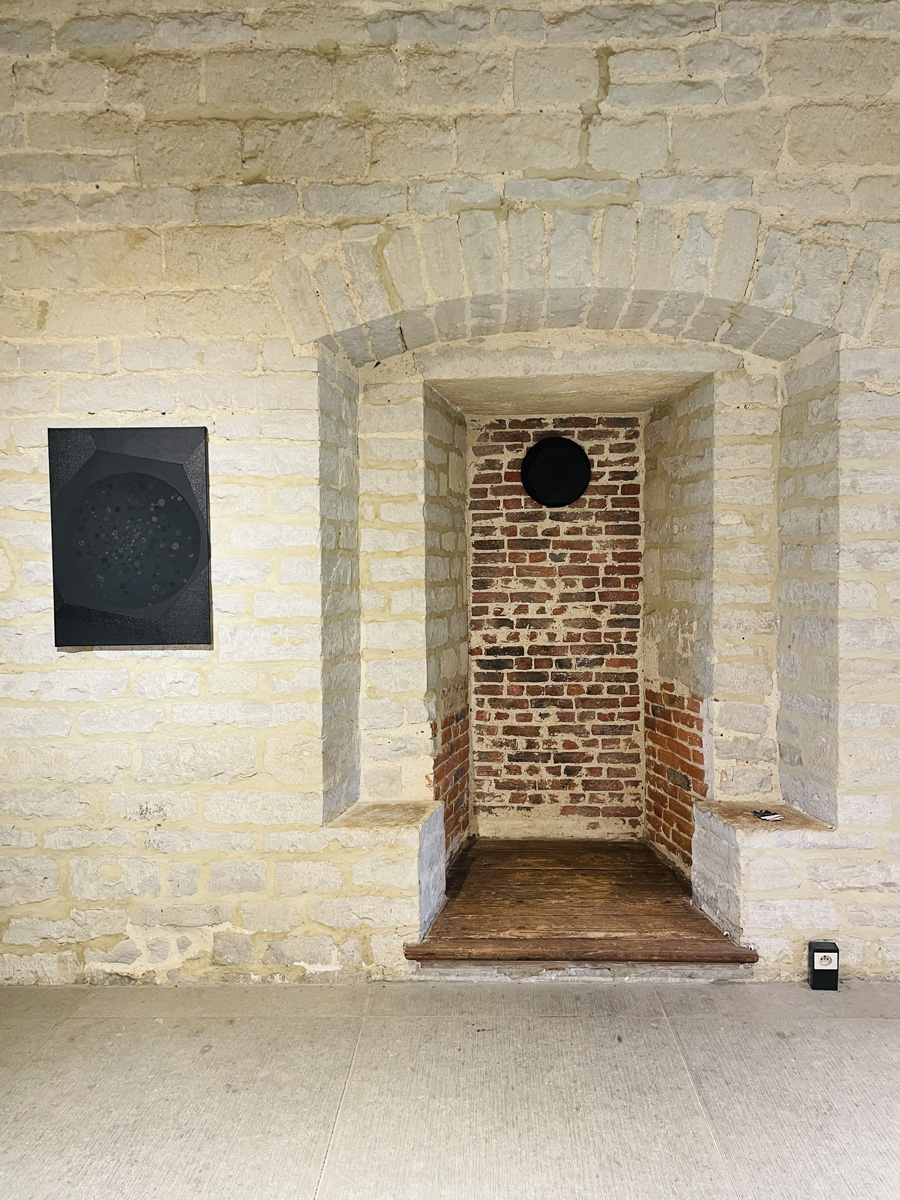
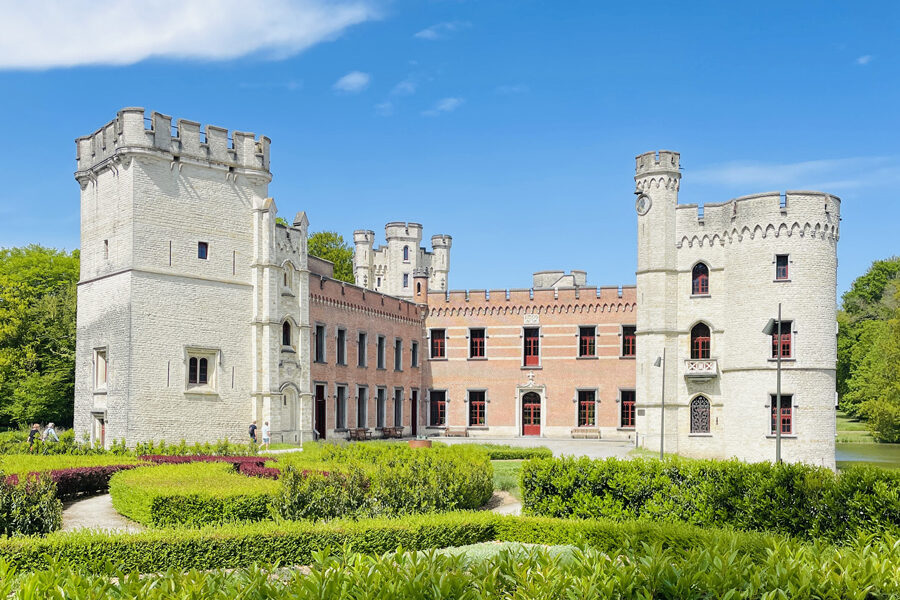
My work will be on display in the Castle, in the top room of the left-hand tower (accessible via stairs).

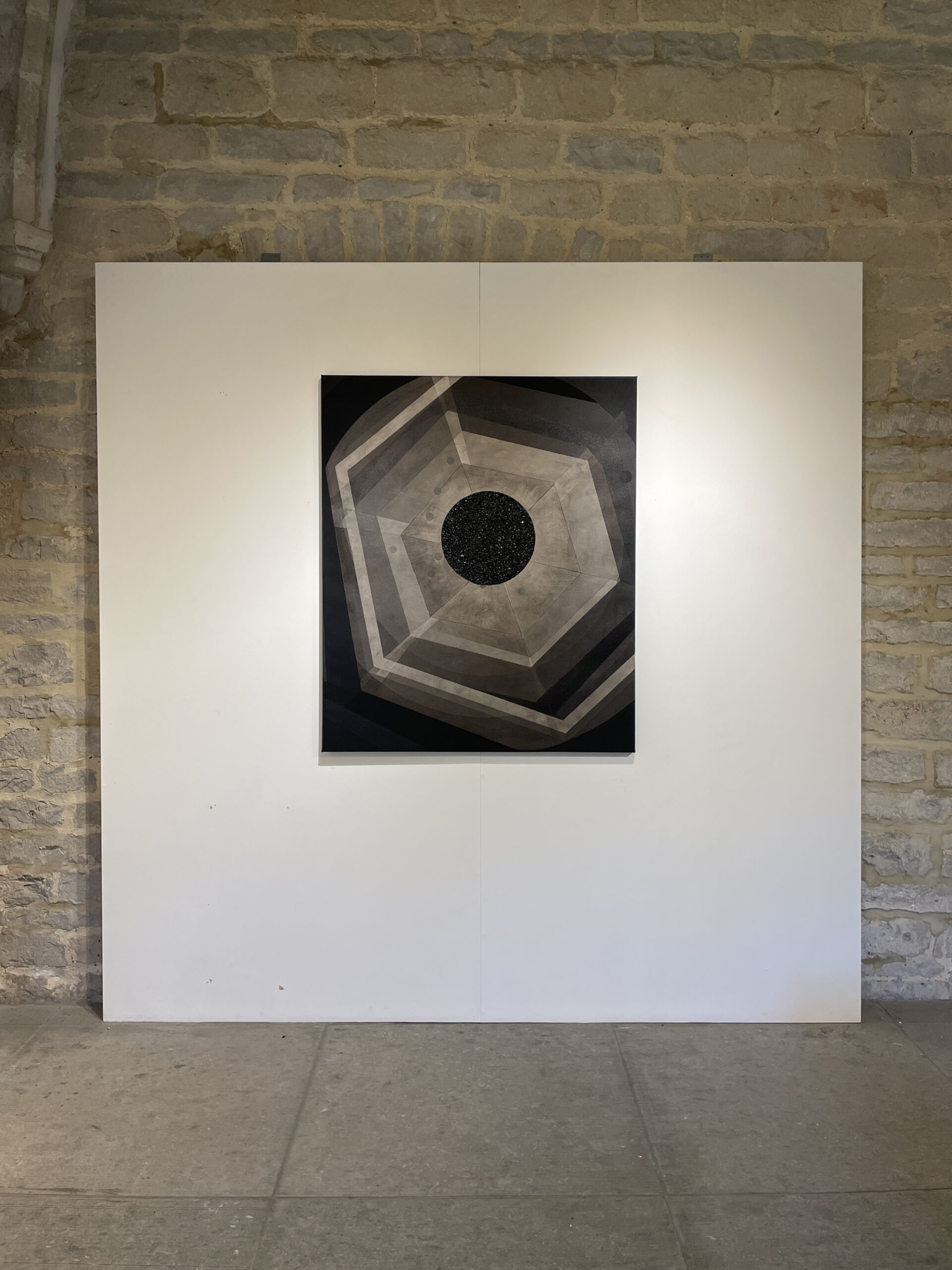
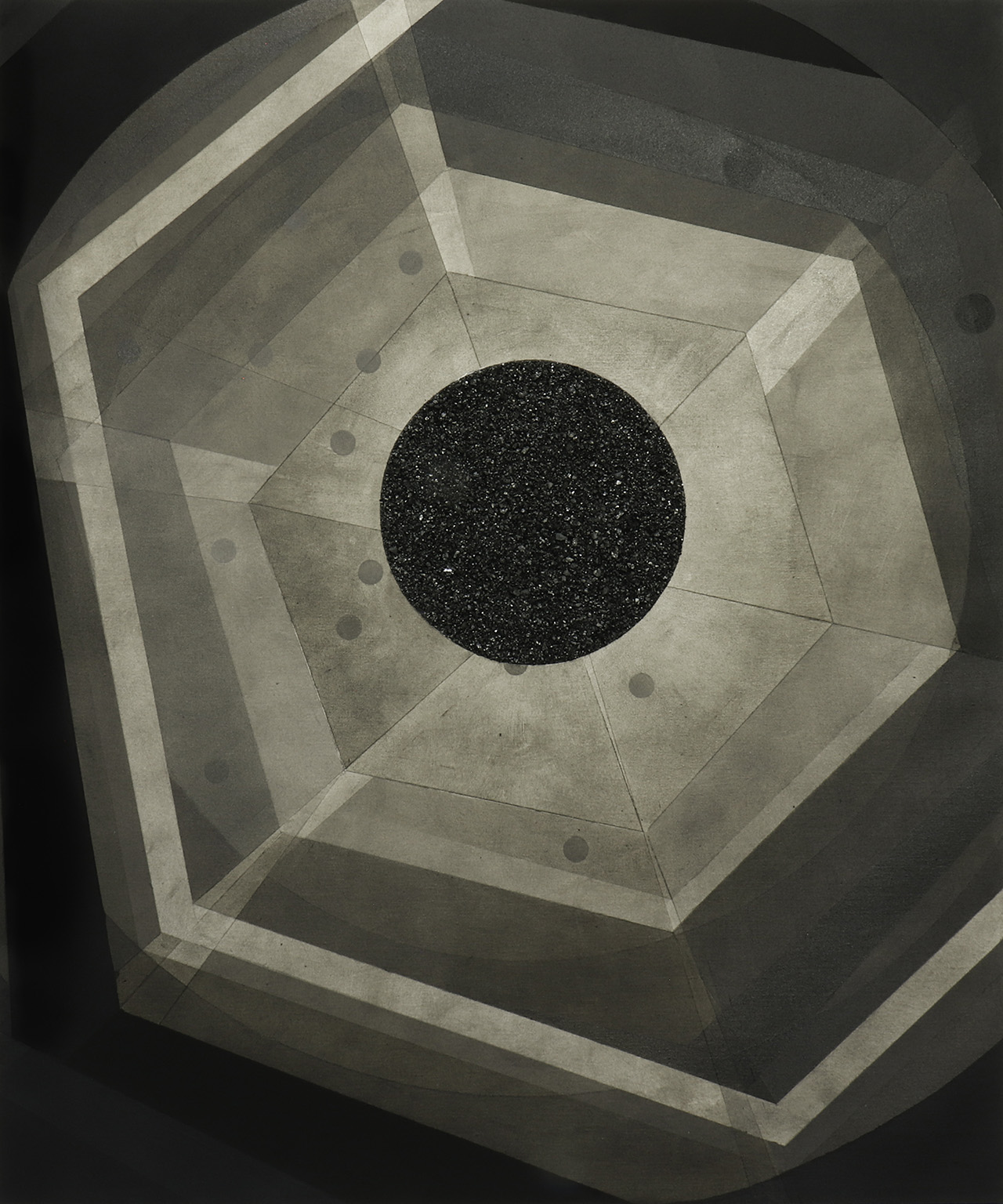
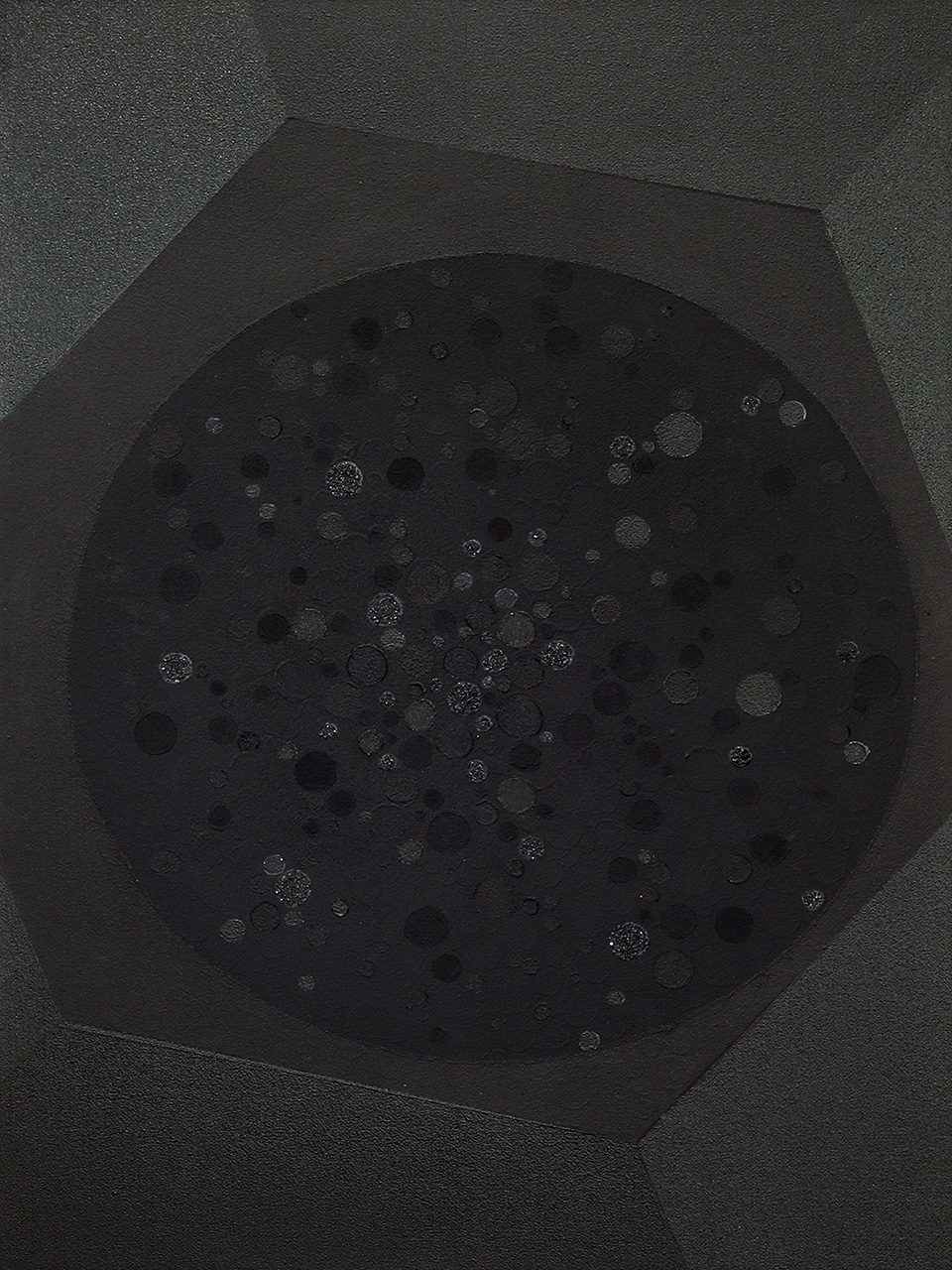
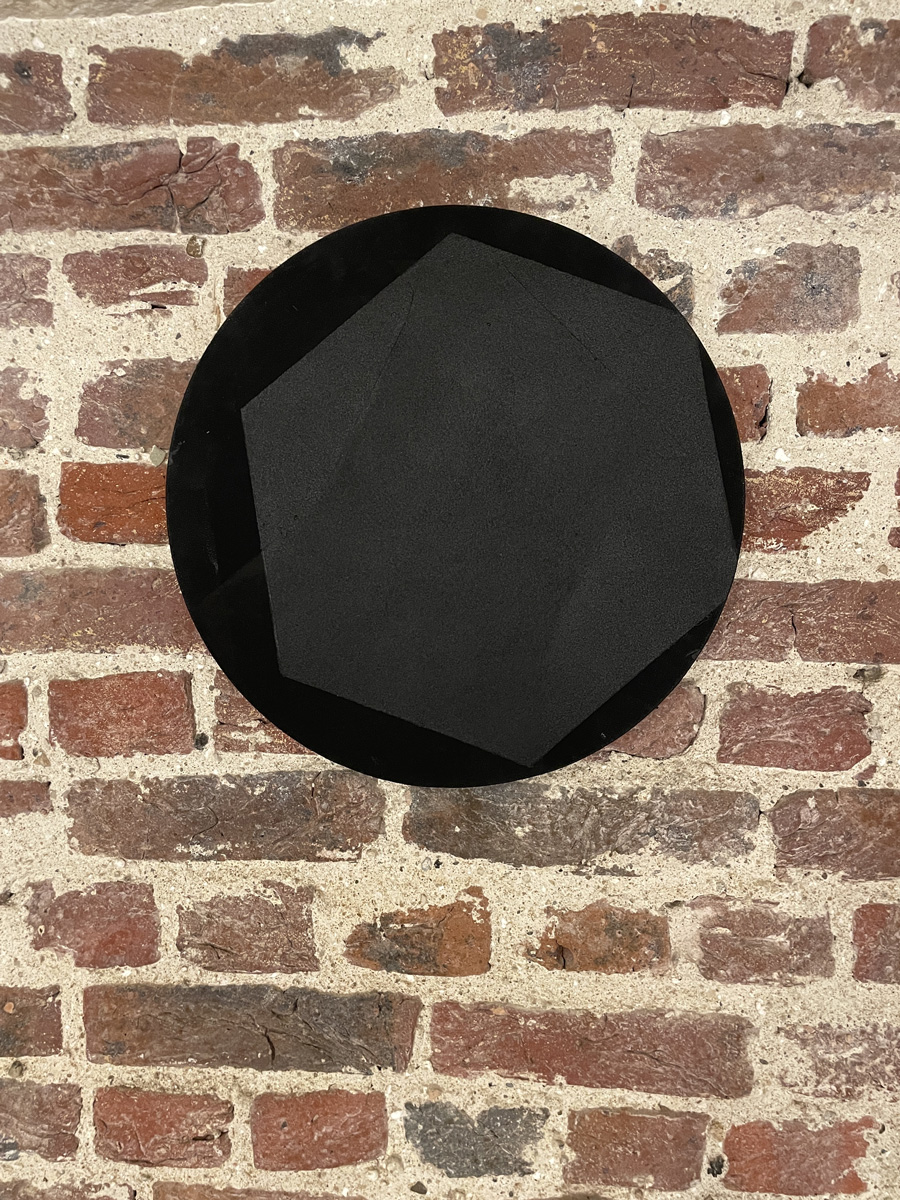
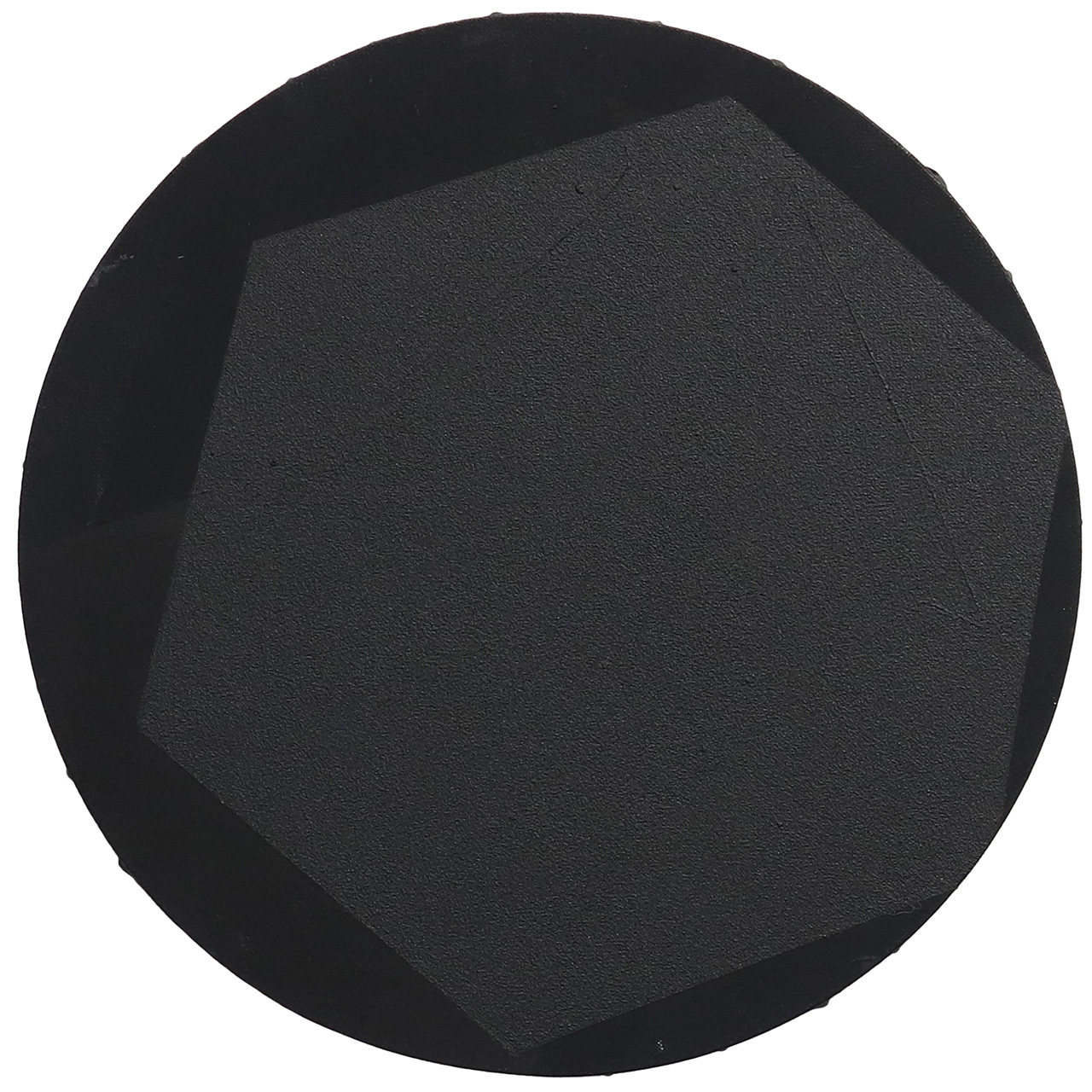
I took as my starting point the moment when photosynthesis takes place: when CO₂ and water, under the influence of light, are converted into oxygen and glucose. The visual language draws, alongside my coal—which is the starting and ending point of photosynthesis—on the chemical symbols: the hexagon refers to glucose, the circles to oxygen.

In the photo you can see the construction of the largest painting; the final result will be on display at the Biennale from 1 May!

Cultuurvuur Biennale
1 May to 31 August – daily from 10am to 6pm

Website Cultuurvuur Biennial : https://cultuurvuur.be/
Website Meise Botanical Garden : https://www.plantentuinmeise.be/
04Aug2025

Last chance: Black is a Colour – Gallery Sofie Van den Bussche

On Saturday 9 August, the exhibition Black is a Colour will be on show for the last time at Gallery Sofie Van de Bussche in Brussels. Don’t miss it!

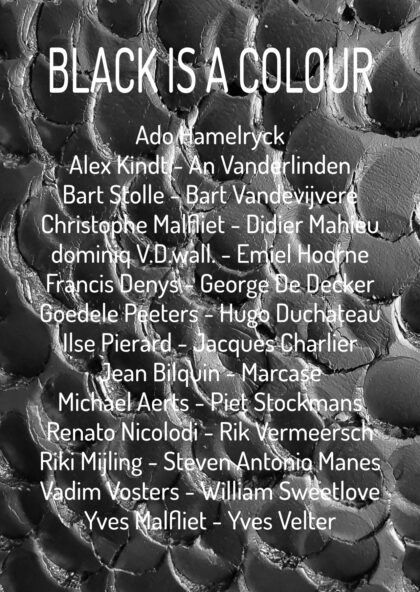
In Black is a Colour, 27 contemporary artists pay tribute to Ado Hamelrijck’s imagery. Twenty-seven, because as Ado himself said, ‘Black is a Colour, it consists of 27 shades of black.’

I am proud to be part of this collective tribute with my work. Soon I’ll give more info on this website about the new work I especially made for this exhibition. But for now, go and discover it for yourself while you still can.
If you are curious about the story behind it, feel free to ask me about it on Saturday – I will be present in the gallery.

You can find all the info about this expo on the website of Gallery Sofie Van den Bussche: > read it here

Review on Gallery Viewer : > Black is a Colour: Ado Hamelrycks nalatenschap in zevenentwintig tinten bij Gallery Sofie Van den Bussche 

Black is a colour – a homage to Ado Hamelryck (1941 – 2024)
Ado Hamelryck – Alex Kindt – An Vanderlinden – Bart Stolle – Bart Vandevijvere – Christophe Malfliet – Didier Mahieu dominiq V.D.wall. – Emiel Hoorne – Francis Denys – George De Decker – Goedele Peeters Hugo Duchateau – Ilse Pierard – Jacques Charlier – Jean Bilquin- Marcase – Michael Aerts – Piet Stockmans – Renato Nicolodi – Rik Vermeersch – Riki Mijling – Steven Antonio Manes – Vadim Vosters – William Sweetlove – Yves Malfliet – Yves Velter

Gallery Sofie Van den Bussche
Barthélémylaan 22
1000 Brussels


29Nov2024

Artist research by An Vanderlinden in kM : the blackest pigment is…

In preparation for the article ‘ Artist’s research by An Vanderlinden ’, published in the autumn issue of kM (still on sale, see link below), Joop Okx did in-depth research into coal as a pigment. His surprise that almost nothing can be found about it in the literature was as great as my own seven years ago. It seems so obvious, but it is not.
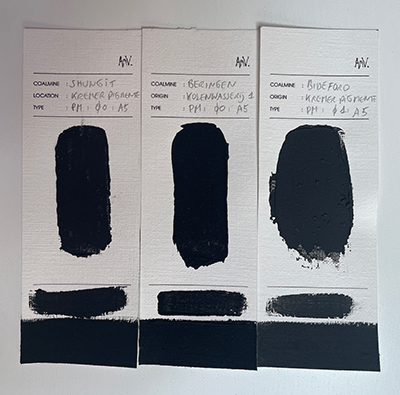
The only 2 traces of the use of coal as pigment that he could find were 1) the use of Shungite, a ca. 2-billion-year-old material with a particularly high carbon content in northern Russian icon painting, especially in the 17th and 18th centuries, and 2) Bideford Black from the UK. This was widely processed into pigment there, from the 13th century until 1969.

Now I suspect that by my question 7 years ago to Kremer Pigmente, I woke someone up there. Back then there was no coal for sale as a pigment, and now…. indeed, both regular coal, i.e. Anthracite, as well as Shungite, and Bideford Black. The latter they have started mining back themselves, by the way. So I had to test that!

I ground up a piece of the Shungite that Joop Okx donated to me during the interview (for which thanks again!), and ordered the Shungite and Bideford Black pigments from Kremer. I then made pigment pastes from all of the above, and from my own Charbon de Beringen. I also made the paint tests of all of them in identically the same way. I was very curious to see if Shungite would be blacker. Or Bideford Black?
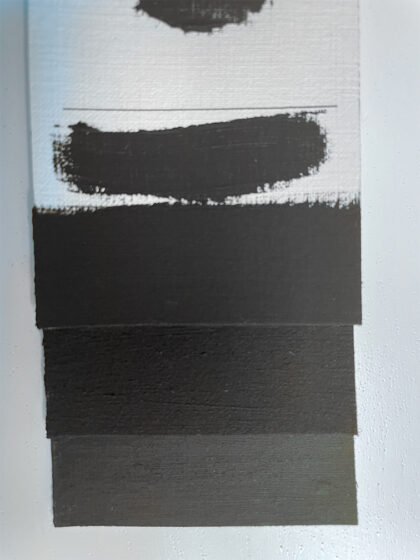
The result: they are all very, very black. But now guess which coal is blackest?
Indeed : Charbon de Beringen.
Limburg above! :-D

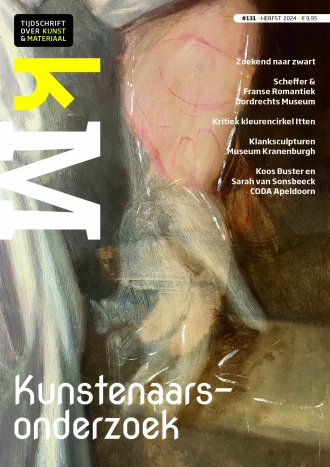
Article ‘Artist research by An Vanderlinden’ in the magazine “artistMaterial” by Joop Okx and Theo Edelman
4 pages, kM Magazine #131
This magazine (in NL) can be bought separately at : https://tijdvoortijdschriften.nl/losse-nummers/km-magazine-nr-131-van-2024

(The difference is not as big in real life as in the last picture, the camera has adjusted it)

NB: 7 years ago, I made the blackest black paint. That is not the same as the blackest black, as I also wrote then. Since then, a lot has happened in terms of paint development: several manufacturers released black paint’ based on nanotechnology in a race against each other. Black 4.0, Muso Black, … are blacker than mine. But of all the paints made with MINERAL pigments, mine is the blackest…. as far as I know now ;-). In science, one should always speak with 2 words, which is often forgotten these days ;-).

PS: I also like to remind people of the fact that the person who started the blackest black hype by inventing carbon nanotubes, is the belgian artist Frederik De Wilde. Today is a perfect day to re-read this 2013 article about him: https://www.vice.com/en/article/meet-the-artist-behind-blacker-than-black-the-darkest-color-ever/ or better, read about his project on his website: https://frederik-de-wilde.com/project/nasablck-crcl1/

23Sep2024

Winner Culture Prize – Biënnale Cultuurvuur 2024

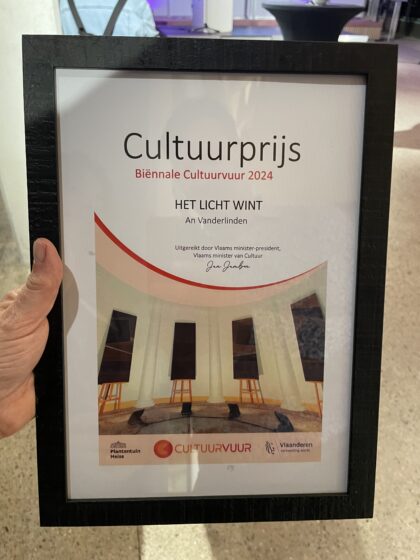
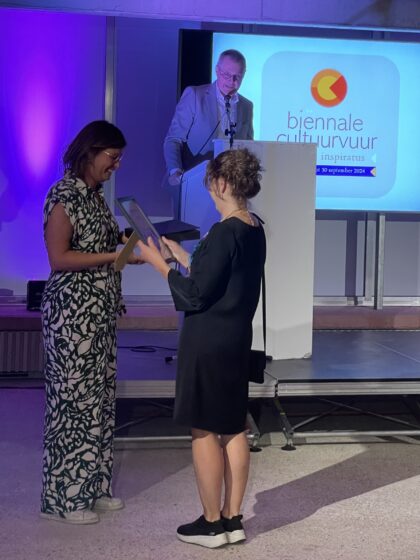
This weekend I was pleasantly surprised to receive the Culture Prize of the Biennale Cultuurvuur 2024, presented by Flemish Minister-President, Flemish Minister of Culture Jan Jambon for my installation THE LIGHT WINS.

You can still visit my installation at the Friendship Temple until September 30.
I myself will be present in the afternoon on Sunday 29 September. Welcome!


About the installation:

Plants that grew and flourished millions of years ago are now the material An Vanderlinden uses to paint. From coal, extracted by Limburg miners, An developed her own paint.  In a labour-intensive process, she transforms the remains of pitch-black coal into pigment, into paint.

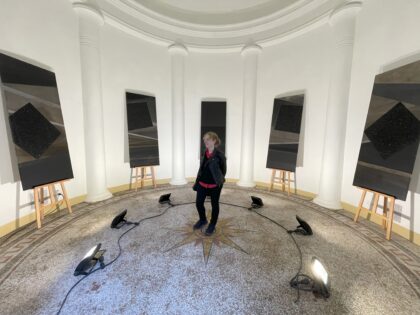
Stepping into the friendship stamp in the circle of seven paintings, you step not only into the world of the artist, but also into that of Freemasonry. The rough stone, Masonic symbol for the soul, is worked and processed in various ways. Applied layer by layer in transparent layers of paint, light shades, differences in gloss and texture emerge. As a result, the paintings transform with each new angle, layered and full of symbolism.

After all, a humanity that lives to become soulfully the best version of itself has a future that shines, as light shines in coal.

THE LIGHT WINS by An Vanderlinden
Installation of 7 paintings, each 80 x 200cm

Coalpaint & coal on canvas.
Frienship temple: location 51 / AV on the hiking maps (on location)

The temple is located shortly near entrance ‘Meise Dorp’, hidden in the greenery.
With your back to entrance Meise Dorp: turn right, then 100 metres further follow the arrow ‘KUNST ROUTE’ on the left into the forest.

Practical info Botanic Garden

19Sep2024

The Light Wins

7 paintings, each 80×200 cm, 2024
Coalpaint and coal on canvas

Untill september 30  – Biënnale Cultuurvuur – Botanical Garden of Meise (B)
Location 51 / AV – Friendship temple


This is the accompanying text on site:

“Come in, stand in the center of the circle, and look around. You have now stepped not only into the world of the artist, but also into that of Freemasonry.

The temple you are now standing in was founded in 1818 for the elevation of master in Freemasonry of Baron Emmanuel Vanderlinden d’Hoogvorst. That intrigued An Vanderlinden. She researched symbols in Freemasonry, and used them as building blocks in this installation. So it is by no means a coincidence that they have just become 7 paintings.

Symbols form a universal language, allowing people with different backgrounds and characters to communicate about the same topics. There is no absolute explanation for this, everyone can interpret the meaning in their own way.

In Freemasonry, the rough stone is a symbol for man, the soul. It is edited and processed in different ways in this series of paintings. The square that you find in each painting represents the cubic stone that the Freemason strives for. “The purpose is to shape the rough stone into a cubic stone, so that it can serve in the symbolic construction of the Temple.” In other words: the goal is to become the best version of yourself, so that you can contribute to a better world.

If you stand in the middle of the temple and turn around your axis, you can compare the stones in the squares. Do you see that the stones in the outermost paintings (closest to the door) are rougher, and lighter in color, than the more finely worked stones that fill the square of the painting on the opposite side of the temple?

Directly opposite the outside world, the door, is the darkest painting. While in the outer paintings the light on the coal comes from outside, in the darkest painting the light comes from within, from the finely ground coal.

Do you also see the movement the square makes? It goes through a cycle, like the sun. After all, the path to self-knowledge is not a straight line.

The rays of light in the paintings go around in 2 directions: from the west, the outer world, to the inner light, and from the inner light back to the outer world. Each painting is also a fully-fledged painting independently of the others. Because every step in the
cycle is important.

VISITA INTERIORA TERRAE RECTIFICANDO INVENIES OCCULTUM LAPIDEM

7 words. 7 paintings. Each word is the title of a painting.
This Latin proverb freely translated says : ‘Go into the depths of the earth in search of the darkest stone’.
Abbreviated: V.I.T.R.I.O.L.
Do you find these letters in the paintings?

Biënnale Cultuurvuur – untill september 30 – Botanical Garden Meise
info : www.naturainspiratus.be

Friendship Temple, location 51 / AV on the hiking map.
The temple is near “Meise Dorp” entrance, hidden in the greenery.
With your back to entrance Meise Dorp: turn right, then 100 metres further
follow the ‘KUNST ROUTE’ arrow to the left into the bush.

30Aug2024

Man Moved Mountain interview on TV

Last Sunday, Regional Television TVL visited my exhibition Man Moved Mountain in Genk. You can watch the interview (in dutch) on their website via this link.
The exhibition has been extended until early September.
Open by appointment, and now Sunday September 1, open from 1pm to 6pm. Welcome!

Le Charbonnage Art Residencies
Marcel Habetslaan 27,
3600 Genk (opposite La Biomista)

04Jul2024

“Research and work by An Vanderlinden. The blackest black from Beringen.”

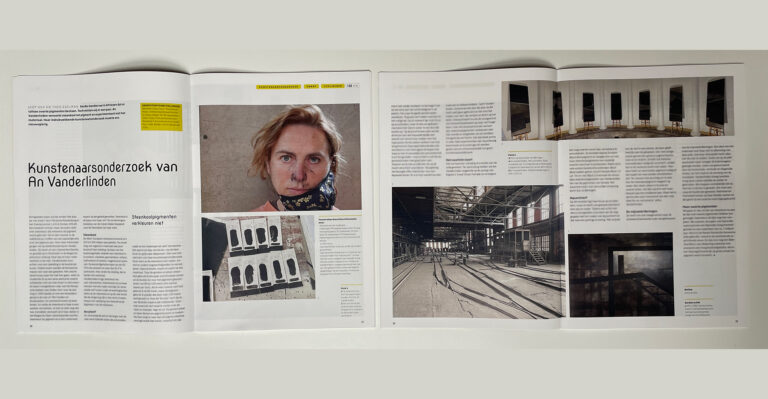
I recently had the pleasure of hosting the authors of the story series ‘Bodem en Kunst’*, which appears in the Dutch professional journal Bodem, in Belgium.
Day 1, Joop Okx and Theo Edelman visited my studio in Diest, where I told them about my work and working methods. Day 2 we visited Mining Museum Beringen together, where we were given an expert tour. The article they wrote about my work has now been published.

You can read it / download it here (pdf, dutch)

* Previous articles in this series have appeared on Otobong Nkanga, Monica Rotgans, Atelier NL and Jos de Putter, among others

AnV background image